Free, Hands-On API Security Certification
Close
Privacy settings
We use cookies and similar technologies that are necessary to run the website. Additional cookies are only used with your consent. You can consent to our use of cookies by clicking on Agree. For more information on which data is collected and how it is shared with our partners please read our privacy and cookie policy: Cookie policy, Privacy policy
We use cookies to access, analyse and store information such as the characteristics of your device as well as certain personal data (IP addresses, navigation usage, geolocation data or unique identifiers). The processing of your data serves various purposes: Analytics cookies allow us to analyse our performance to offer you a better online experience and evaluate the efficiency of our campaigns. Personalisation cookies give you access to a customised experience of our website with usage-based offers and support. Finally, Advertising cookies are placed by third-party companies processing your data to create audiences lists to deliver targeted ads on social media and the internet. You may freely give, refuse or withdraw your consent at any time using the link provided at the bottom of each page.
Thank you! Your submission has been received!
Oops! Something went wrong while submitting the form.

march 23-26 | Booth 3125

Visit Wallarm’s Booth and the Cyber Security Museum

Step into the museum.
Leave with your API Security Report Card.

APIs are the fastest-growing attack surface in modern applications. As cloud, microservices, and AI adoption accelerate, attackers are using APIs to reach your most sensitive systems.Visit Wallarm’s Cyber Security Museum to see what actually stops API attacks and what no longer belongs in production. Learn how to block and defend API threats, not just detect them, and get practical insight from Wallarm’s API security experts.

Stop by Booth 3125 to explore the exhibit and get a clear view of your API security posture.

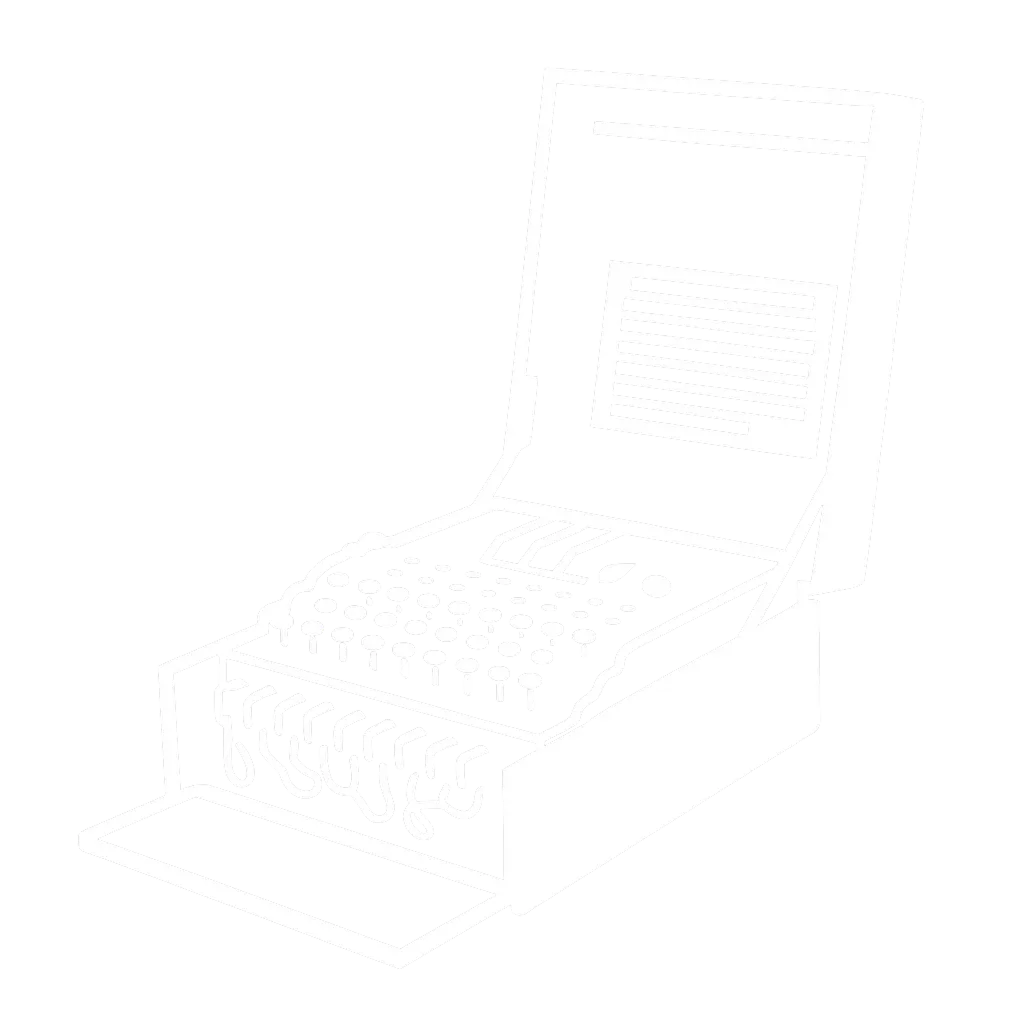
Enigma Machine

This electro-mechanical rotor cipher device was used by Nazi Germany to encrypt military communications. Thought unbreakable, it was eventually cracked by Alan Turing’s team at Bletchley Park — proving that complexity is no substitute for resilience.

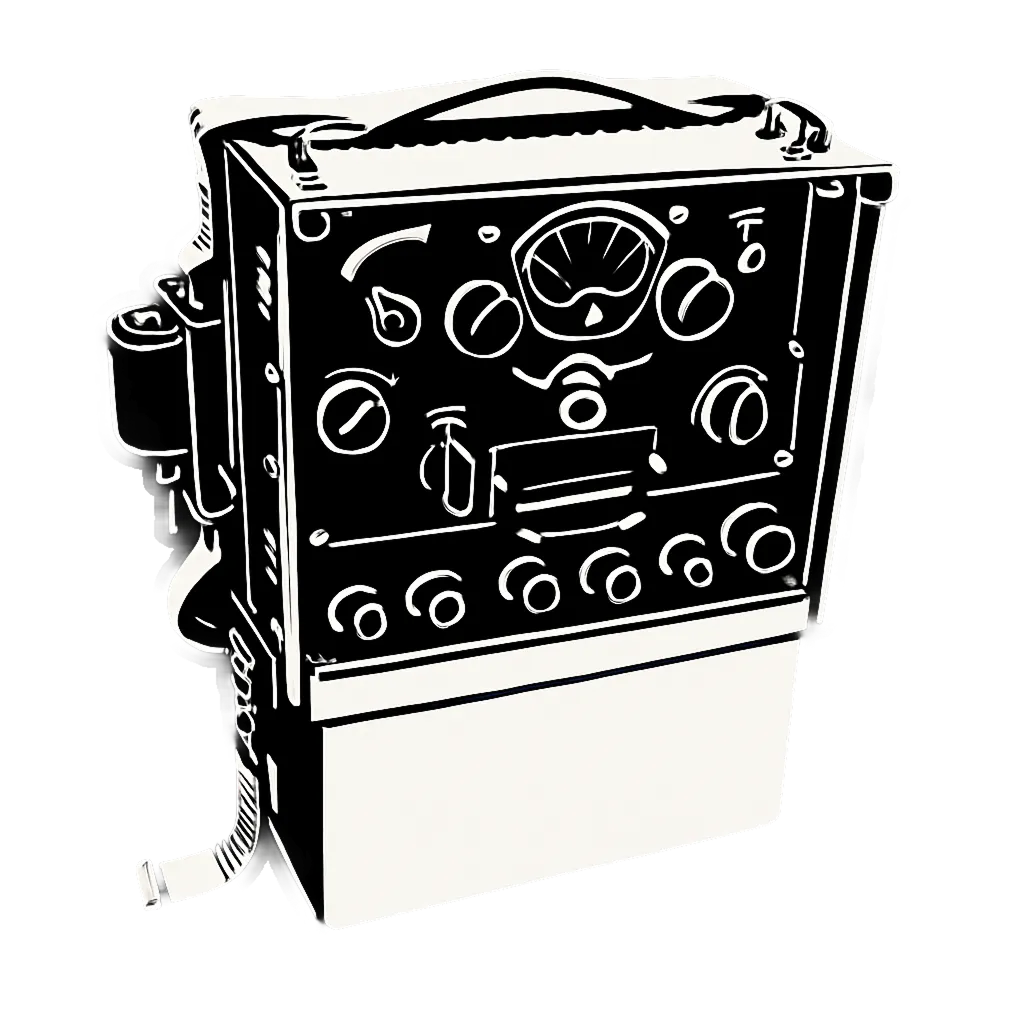
TBY-8 Radio

Used by Navajo Code Talkers to transmit secure messages during WWII. The Navajo language's complexity, including its unwritten nature, tonal qualities, and unique syntax, made it virtually impossible for the Japanese to decipher. The Navajo Code Talkers ensure message confidentiality and integrity at speed to support critical operations, a role that secure APIs play today.

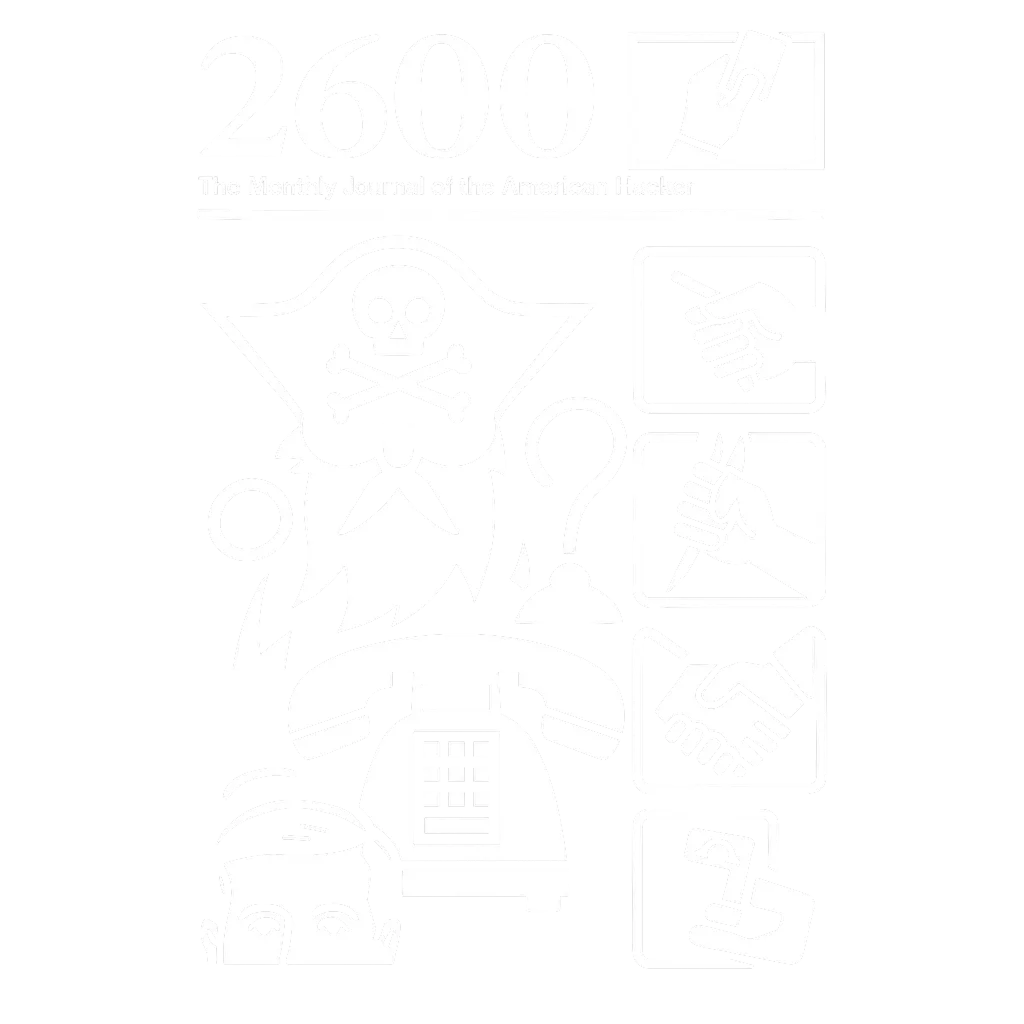
2600 Magazine

A legendary publication born in the early computer underground, 2600 gave voice to hackers, phreakers, and digital explorers. It championed curiosity and open access—values that echo today in open-source security research and API vulnerability disclosure.

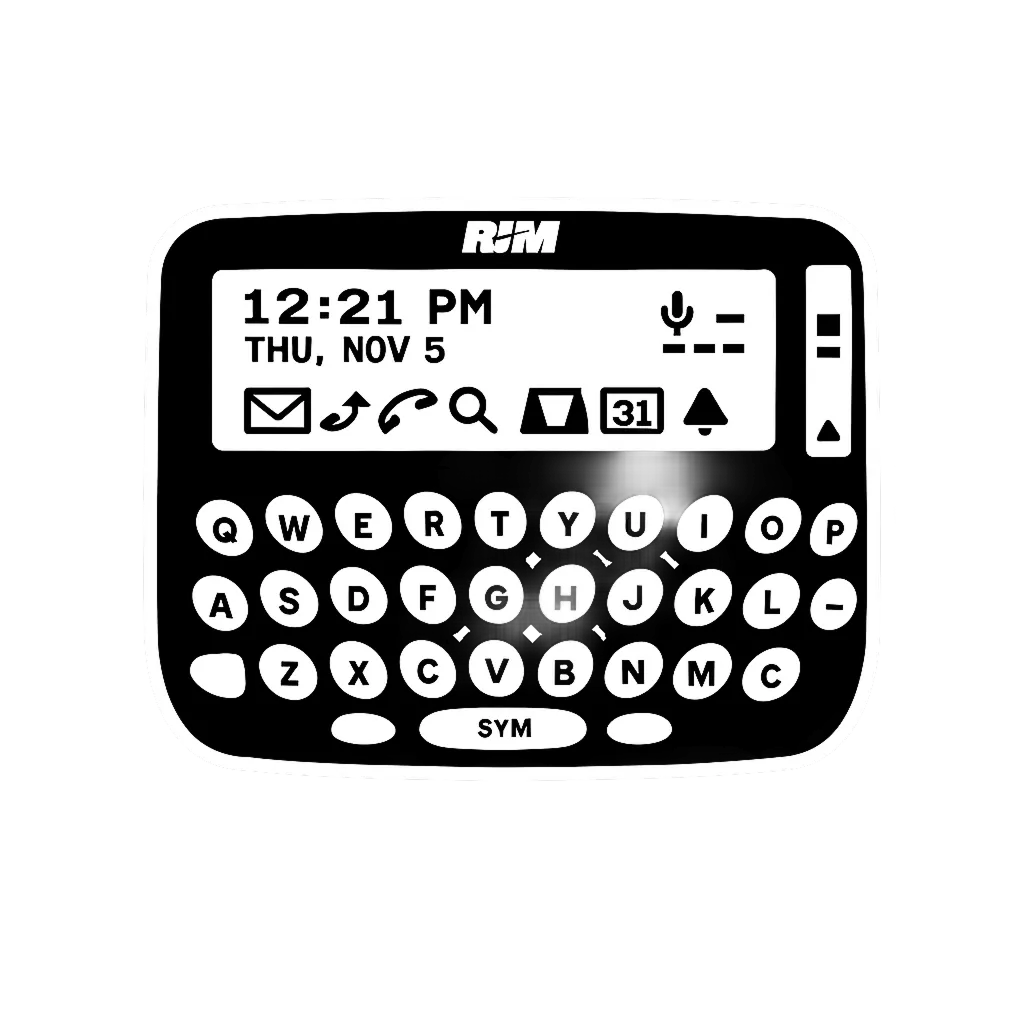
Blackberry 850

The first widely adopted mobile email device brought encrypted corporate communication into pockets everywhere — but also opened a new frontier of remote-access vulnerabilities and mobile API exposure.

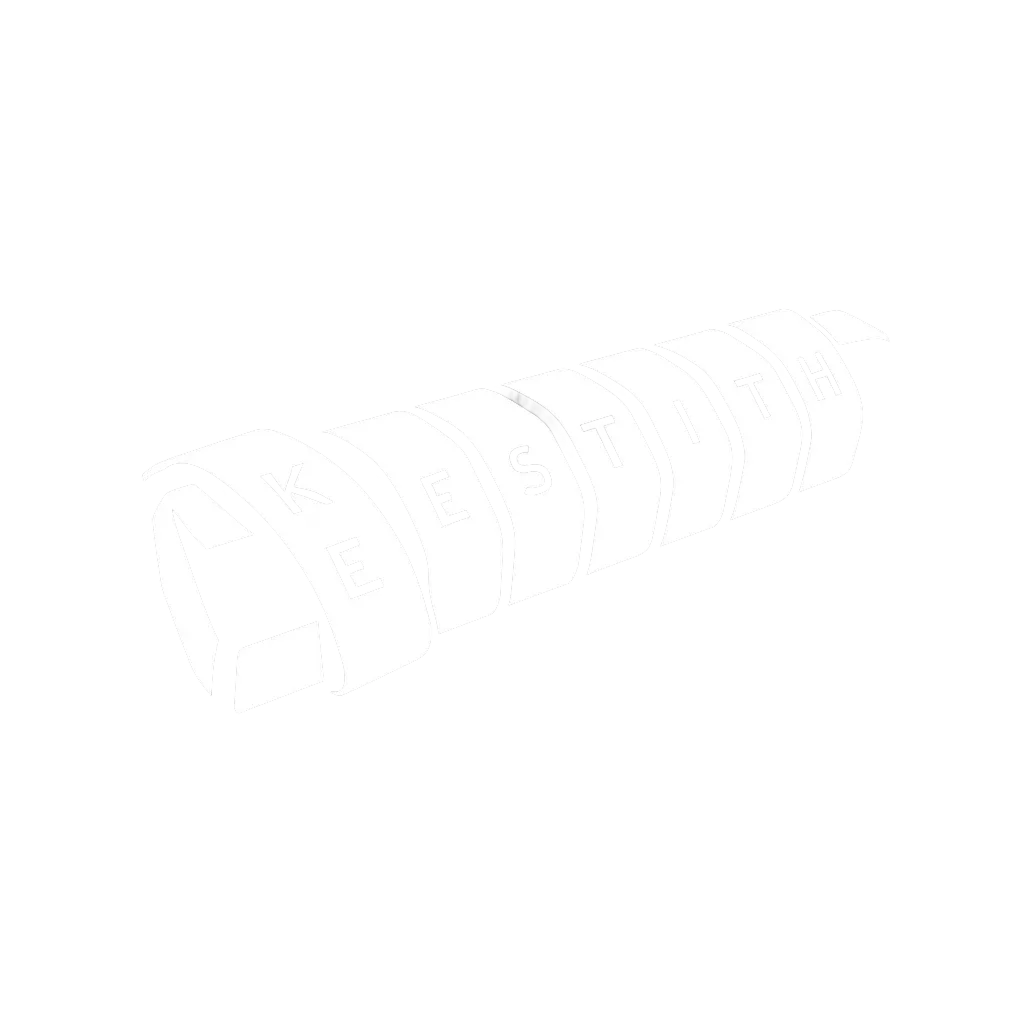
Scytale Cipher

This cylindrical tool was used by the Spartans to transmit secret military commands. A strip of parchment wrapped around the rod would reveal a hidden message, unreadable unless wound around a rod of identical diameter — an early example of key-based encryption.

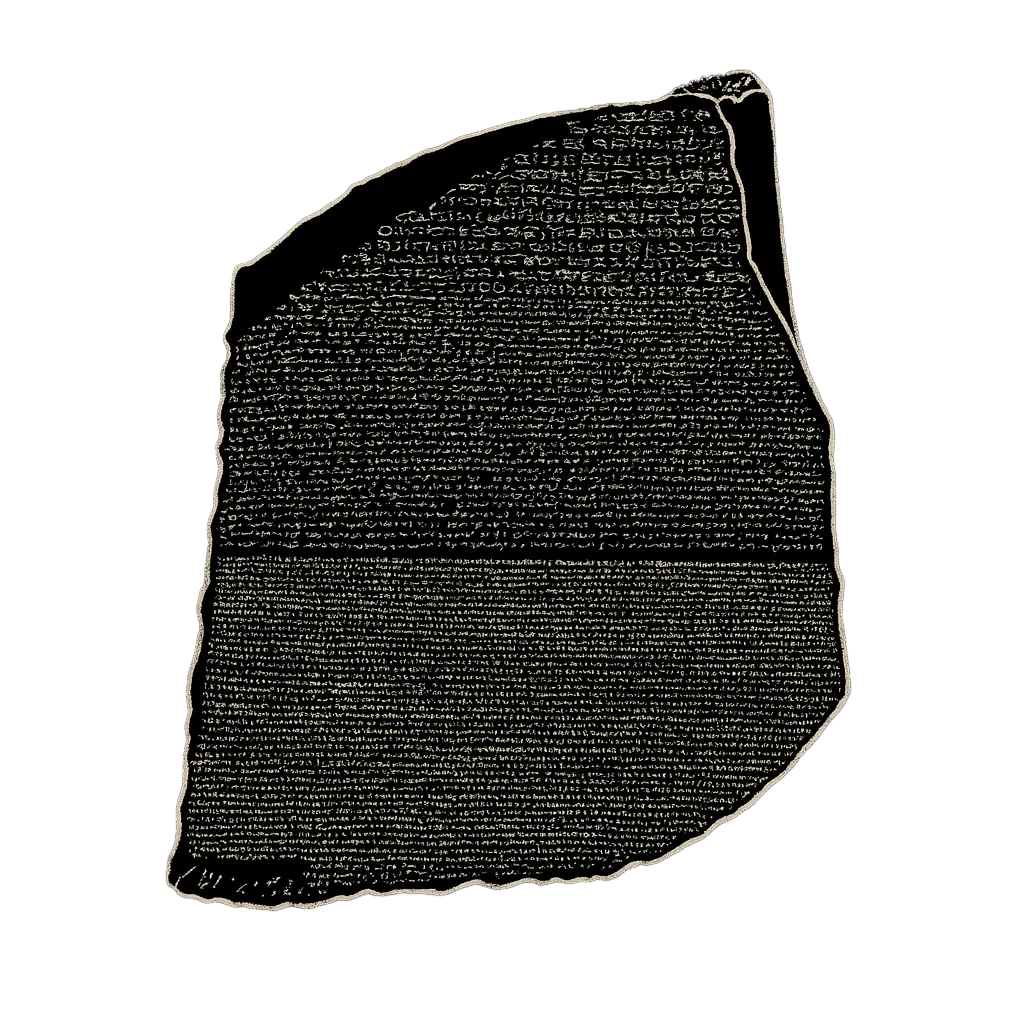
Rosetta Stone

This granodiorite stele, inscribed in three scripts — Greek, Demotic, and hieroglyphics — enabled scholars to decode ancient Egyptian writing. It’s a symbol of language translation and interoperability — the same challenges modern APIs face across platforms and systems.

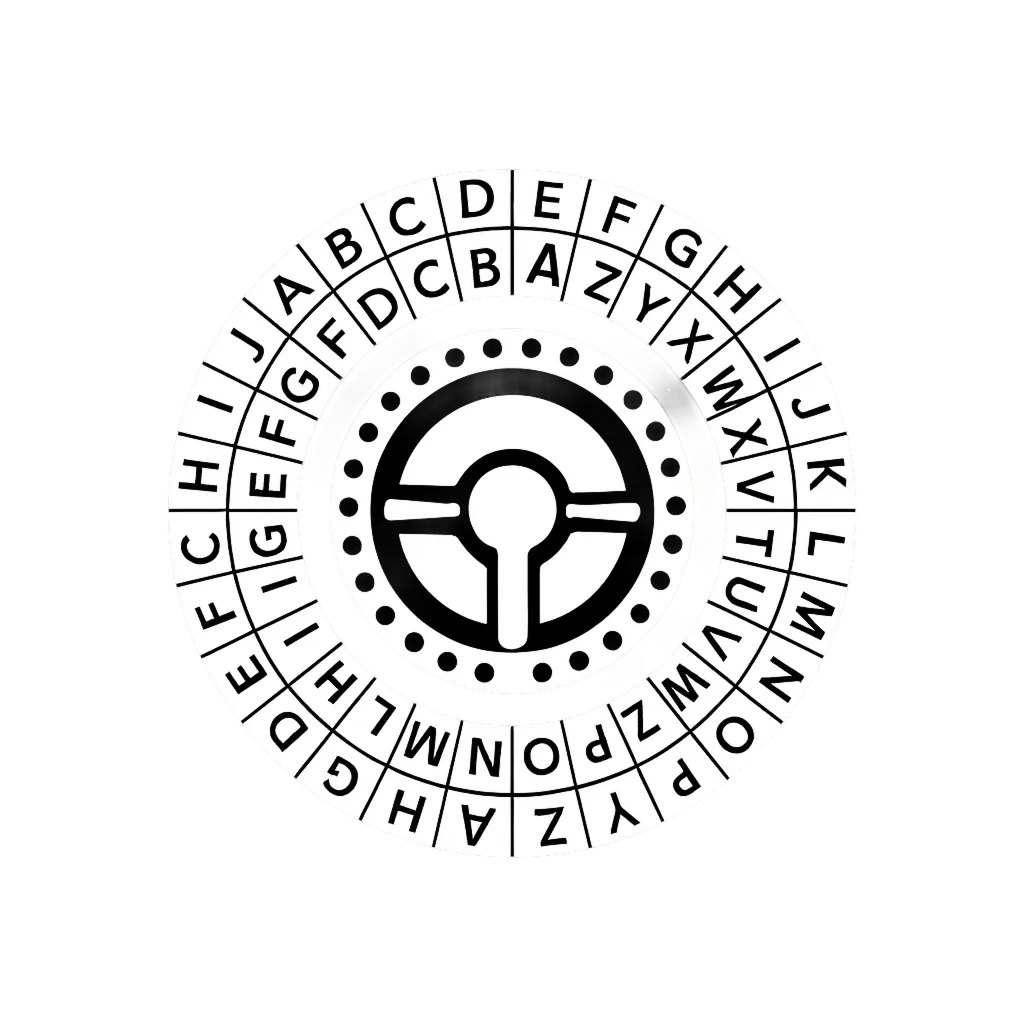
Caesar Cipher

Attributed to Julius Caesar, this shift cipher replaced each letter with one a fixed number of places down the alphabet. Though simple, it represents one of the earliest known forms of algorithmic encryption — and the enduring principle that obfuscation alone is not security.

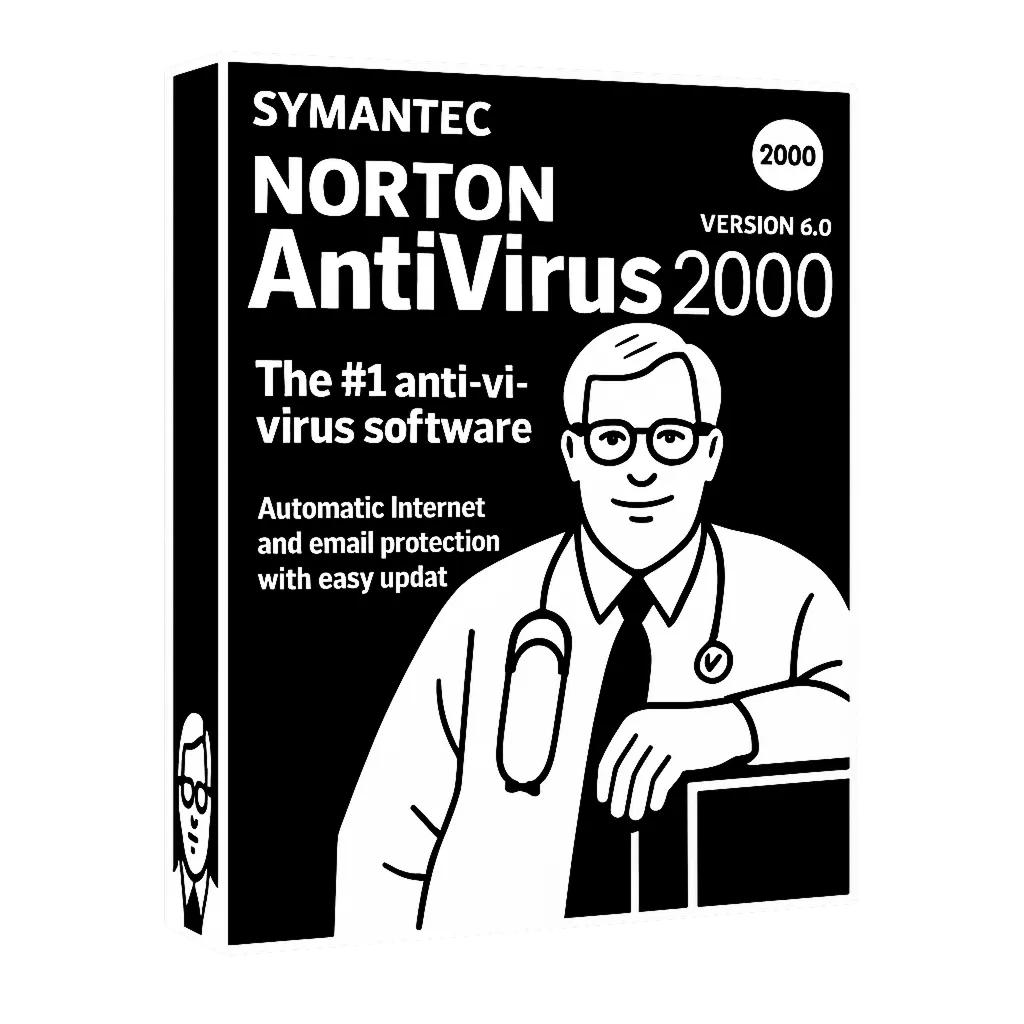
Norton Antivirus

Packaged AV software became a household name — but it couldn’t protect against logic abuse or custom API attacks. It represents the limits of file-based scanning in a post-signature world.

Enigma Machine

This electro-mechanical rotor cipher device was used by Nazi Germany to encrypt military communications. Thought unbreakable, it was eventually cracked by Alan Turing’s team at Bletchley Park — proving that complexity is no substitute for resilience.

TBY-8 Radio

Used by Navajo Code Talkers to transmit secure messages during WWII. The Navajo language's complexity, including its unwritten nature, tonal qualities, and unique syntax, made it virtually impossible for the Japanese to decipher. The Navajo Code Talkers ensure message confidentiality and integrity at speed to support critical operations, a role that secure APIs play today.

2600 Magazine

A legendary publication born in the early computer underground, 2600 gave voice to hackers, phreakers, and digital explorers. It championed curiosity and open access—values that echo today in open-source security research and API vulnerability disclosure.

Blackberry 850

The first widely adopted mobile email device brought encrypted corporate communication into pockets everywhere — but also opened a new frontier of remote-access vulnerabilities and mobile API exposure.

Scytale Cipher

This cylindrical tool was used by the Spartans to transmit secret military commands. A strip of parchment wrapped around the rod would reveal a hidden message, unreadable unless wound around a rod of identical diameter — an early example of key-based encryption.

Rosetta Stone

This granodiorite stele, inscribed in three scripts — Greek, Demotic, and hieroglyphics — enabled scholars to decode ancient Egyptian writing. It’s a symbol of language translation and interoperability — the same challenges modern APIs face across platforms and systems.

Caesar Cipher

Attributed to Julius Caesar, this shift cipher replaced each letter with one a fixed number of places down the alphabet. Though simple, it represents one of the earliest known forms of algorithmic encryption — and the enduring principle that obfuscation alone is not security

Norton Antivirus

Packaged AV software became a household name — but it couldn’t protect against logic abuse or custom API attacks. It represents the limits of file-based scanning in a post-signature world.

Get Your API Report Card at the Show

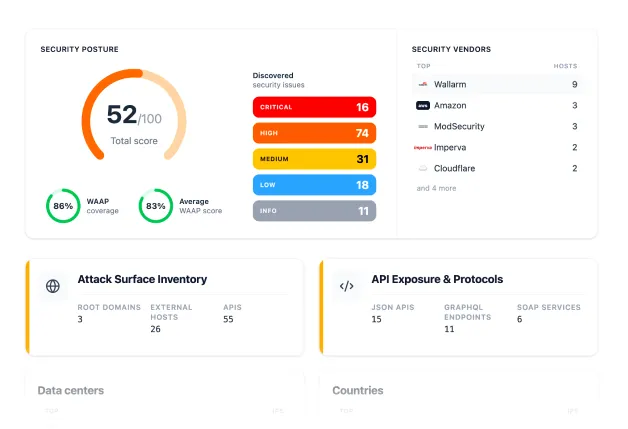
Sign up for a free API Security Report Card during the conference. Tell us which domain to assess and we will run the scan and deliver a clear, actionable breakdown on areas to focus on your API Security strategy. 

Your report includes:

External API attack surface discovery

API leak identification

Continuous vulnerability detection

WAF coverage testing

See how your APIs score and where to improve.

Join us for dinner

If the show floor isn’t your thing, or you just want to take advantage of the amazing restaurants in Vegas, join Wallarm for an executive dinner. We’ll be hosting exclusive dinners with our executives on Tuesday August 5, Wednesday August 6, and Thursday August 7. Request a seat at the table now.


Request a Seat

Just Try Wallarm!

Not going to RSAC 2026 this year? With our free, no-obligation 30-day trial, you can take action now to strengthen your application security program. See for yourself how you gain full visibility into your application and API estate in minutes and get real-time detection/mitigation with scalable cloud-native deployment.